Essential Tips for Maintaining Your Air Compressor
- Mike Craft
- Jun 10
- 4 min read
Air compressors are invaluable tools in various industries, from automotive to construction. They power pneumatic tools, inflate tires, and even assist in spray painting. However, like any machinery, they require regular maintenance to ensure optimal performance and longevity. Neglecting your air compressor can lead to costly repairs and downtime. In this blog post, we will explore essential tips for maintaining your air compressor, ensuring it runs smoothly and efficiently.
Understanding Your Air Compressor
Before diving into maintenance tips, it's crucial to understand how your air compressor works. Most compressors operate by drawing in air, compressing it, and then storing it in a tank. The compressed air is then released through hoses to power tools or equipment. Familiarizing yourself with the components of your air compressor will help you identify potential issues and understand the maintenance required.
Key Components of an Air Compressor
Motor: Powers the compressor.
Pump: Compresses the air.
Tank: Stores the compressed air.
Pressure Switch: Regulates the pressure in the tank.
Air Filter: Cleans the air entering the compressor.
Regulator: Controls the pressure of the air being released.
Regular Inspection and Cleaning
One of the most effective ways to maintain your air compressor is through regular inspections and cleaning. This practice helps identify potential issues before they escalate.
Inspecting the Components
Check for Leaks: Inspect hoses and connections for any signs of air leaks. A small leak can significantly reduce efficiency.
Examine the Oil Level: If your compressor is oil-lubricated, check the oil level regularly. Low oil can lead to overheating and damage.
Inspect the Air Filter: A clogged air filter can restrict airflow, causing the compressor to work harder. Clean or replace the filter as needed.
Cleaning the Compressor
Dust and Debris: Keep the compressor clean by removing dust and debris from the exterior. Use a soft cloth or brush to avoid damaging components.
Drain the Tank: Moisture can accumulate in the tank, leading to rust and corrosion. Drain the tank regularly to prevent this issue.
Change the Oil Regularly
For oil-lubricated compressors, changing the oil is crucial for maintaining performance. Over time, oil can become contaminated with dirt and debris, reducing its effectiveness.
How to Change the Oil
Turn Off the Compressor: Ensure the compressor is turned off and unplugged.
Drain the Oil: Locate the oil drain valve and allow the old oil to drain completely.
Replace with New Oil: Fill the compressor with the recommended type and amount of oil, as specified in the user manual.
Check for Leaks: After changing the oil, check for any leaks around the oil drain valve.
Monitor the Pressure Settings
Maintaining the correct pressure settings is vital for the efficient operation of your air compressor. Too high or too low pressure can lead to equipment damage and inefficient performance.
Setting the Right Pressure
Refer to the User Manual: Each compressor has a recommended pressure setting. Ensure you are familiar with these specifications.
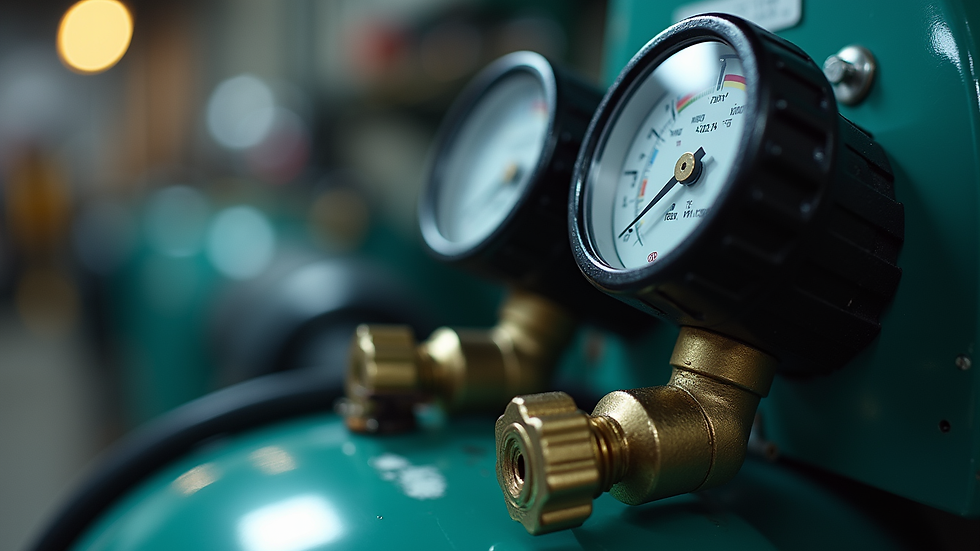
Use a Pressure Gauge: Regularly check the pressure gauge to ensure it is within the recommended range.
Maintain the Electrical System
The electrical system of your air compressor is critical for its operation. Regular maintenance can prevent electrical failures and ensure safety.
Electrical System Checks
Inspect Cords and Plugs: Look for any signs of wear or damage on electrical cords and plugs. Replace any damaged components immediately.
Check Circuit Breakers: Ensure that circuit breakers are functioning correctly and reset any that have tripped.
Store Your Air Compressor Properly
Proper storage is essential for maintaining your air compressor, especially if you do not use it frequently.
Storage Tips
Keep It Dry: Store the compressor in a dry location to prevent moisture buildup.
Cover It: Use a cover to protect the compressor from dust and debris when not in use.
Disconnect Power: Always unplug the compressor when storing it to prevent accidental activation.
Troubleshooting Common Issues
Even with regular maintenance, issues may arise. Knowing how to troubleshoot common problems can save you time and money.
Common Problems and Solutions
Compressor Won't Start: Check the power supply and ensure the circuit breaker is not tripped. Inspect the pressure switch for any faults.
Low Pressure: This could be due to a clogged air filter or a leak in the system. Inspect and replace the filter if necessary.
Overheating: Ensure the compressor is not overloaded and that the oil level is adequate. Allow it to cool down before restarting.
Conclusion
Maintaining your air compressor is essential for its longevity and performance. By following these essential tips, you can ensure that your compressor operates efficiently and effectively. Regular inspections, oil changes, and proper storage are key practices that will help you avoid costly repairs and downtime. Remember, a well-maintained air compressor not only saves you money but also enhances productivity. Take the time to care for your equipment, and it will serve you well for years to come.
Now that you have these tips, it's time to put them into practice. Start with a thorough inspection of your air compressor today!


Comments