Choosing the Right Air Compressor Parts for Durability
- Mike Craft
- Jun 10
- 4 min read
Air compressors are essential tools in various industries, from automotive to construction. They power pneumatic tools, inflate tires, and even assist in spray painting. However, the longevity and efficiency of an air compressor largely depend on the quality of its parts. Choosing the right air compressor parts can significantly enhance durability and performance. In this blog post, we will explore the critical components of air compressors, factors to consider when selecting parts, and tips for maintaining your compressor for optimal performance.

Understanding Air Compressor Components
Before diving into the selection process, it's essential to understand the primary components of an air compressor. Each part plays a vital role in the overall functionality and durability of the machine.
1. Compressor Pump
The compressor pump is the heart of the air compressor. It compresses air and delivers it to the storage tank. There are two main types of pumps:
Reciprocating Pumps: These use pistons to compress air and are known for their efficiency and ability to generate high pressure.
Rotary Screw Pumps: These use two interlocking screws to compress air and are ideal for continuous operation.
When selecting a pump, consider the following:
Material: Look for pumps made from durable materials like cast iron or aluminum.
Size: Ensure the pump size matches your air requirements.
2. Air Tank
The air tank stores compressed air for later use. A larger tank can hold more air, allowing for longer operation times without needing to refill. When choosing an air tank, consider:
Capacity: Larger tanks are better for heavy-duty applications.
Material: Steel tanks are more durable than aluminum but can be heavier.
3. Motor
The motor powers the compressor pump. It’s crucial to select a motor that matches the pump's requirements. Key factors include:
Horsepower (HP): Higher HP ratings can handle more demanding tasks.
Type: Electric motors are common, but gas-powered motors are available for portable applications.
4. Air Filter
Air filters prevent dust and debris from entering the compressor, which can cause damage over time. When selecting an air filter, consider:
Filtration Efficiency: Look for filters that can capture small particles.
Replaceability: Choose filters that are easy to replace to maintain airflow.
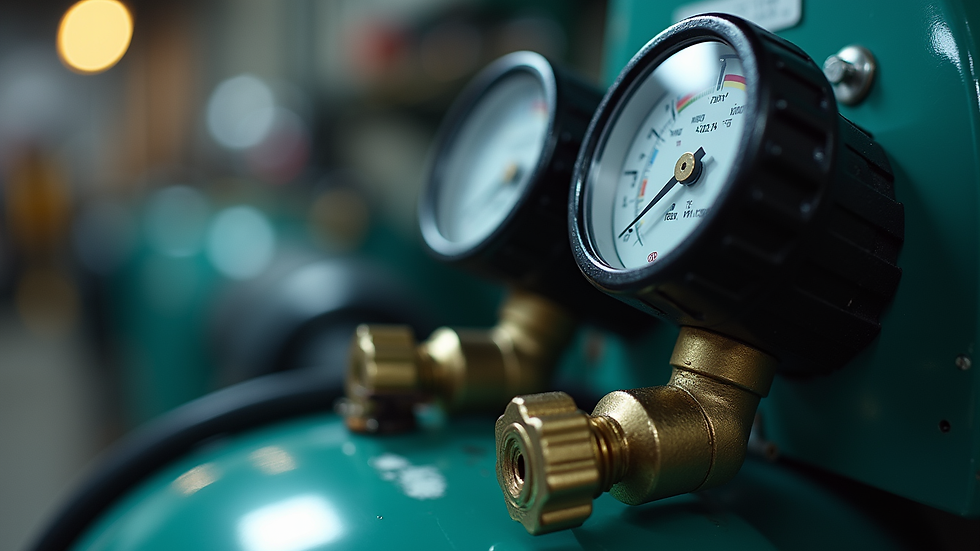
5. Regulator
The regulator controls the air pressure delivered to your tools. A good regulator ensures consistent pressure, which is vital for tool performance. When selecting a regulator, look for:
Pressure Range: Ensure it matches your tools' requirements.
Durability: Choose regulators made from robust materials.
Factors to Consider When Choosing Parts
Selecting the right parts for your air compressor involves several considerations. Here are some key factors to keep in mind:
Quality Over Price
While it may be tempting to opt for cheaper parts, investing in high-quality components can save you money in the long run. Quality parts tend to last longer and perform better, reducing the need for frequent replacements.
Compatibility
Ensure that the parts you choose are compatible with your specific air compressor model. Using incompatible parts can lead to inefficiencies and potential damage.
Manufacturer Reputation
Research the manufacturers of the parts you are considering. Established brands often have a reputation for quality and reliability. Look for reviews and testimonials to gauge customer satisfaction.
Warranty and Support
Check if the parts come with a warranty. A good warranty can provide peace of mind and protect your investment. Additionally, consider the availability of customer support in case you encounter issues.
Tips for Maintaining Your Air Compressor
Proper maintenance is crucial for ensuring the longevity and efficiency of your air compressor. Here are some practical tips:
Regularly Check Oil Levels
If your compressor uses oil, regularly check the oil levels and change the oil as recommended by the manufacturer. Clean oil helps lubricate the moving parts and prevents wear.
Clean or Replace Air Filters
Dirty air filters can restrict airflow and reduce efficiency. Clean or replace your air filters regularly to maintain optimal performance.
Inspect Hoses and Connections
Check hoses and connections for leaks or wear. Replace any damaged parts immediately to prevent air loss and maintain pressure.
Drain the Tank
Moisture can accumulate in the air tank, leading to rust and corrosion. Regularly drain the tank to remove moisture and extend its lifespan.
Follow Manufacturer Guidelines
Always follow the manufacturer's maintenance guidelines for your specific air compressor model. This ensures that you are taking the right steps to keep your compressor in top condition.
Conclusion
Choosing the right air compressor parts is essential for ensuring durability and performance. By understanding the critical components, considering key factors during selection, and maintaining your compressor properly, you can significantly enhance its lifespan and efficiency. Remember, investing in quality parts and regular maintenance pays off in the long run. Take the time to research and select the best components for your air compressor, and you will enjoy reliable performance for years to come.
Now that you have a better understanding of how to choose the right air compressor parts, it’s time to assess your current setup. Are there any components that need upgrading? Take action today to ensure your air compressor operates at its best!

Comments